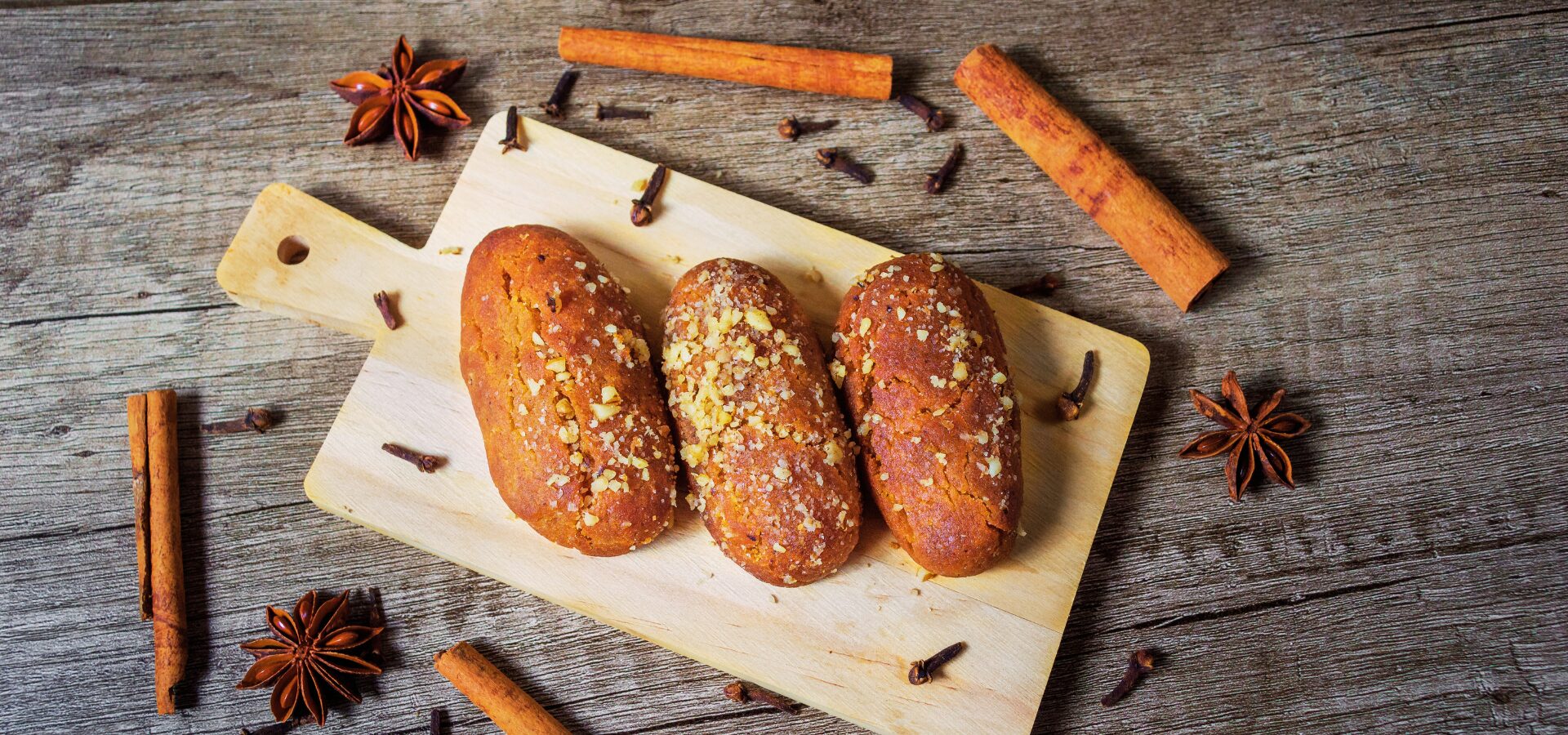
The Reigning Jewel of Greek Christmas: Unveiling the Beloved Melomakarona
As the festive season approaches, kitchens across Greece, and indeed, around the world wherever Greek communities thrive, fill with the intoxicating aroma of cinnamon, orange, and honey. This beloved scent signals the arrival of melomakarona, arguably the undisputed queen of Greek Christmas cookies. Far more than just a sweet treat, these juicy, honey-drenched delights represent a deep-seated tradition, a taste of wholesome indulgence, and a comforting embrace of the Mediterranean spirit.
While other festive cookies, such as the elegant, powdered sugar-dusted kourabiedes, certainly hold their own, it's the melomakarona (pronounced meh-loh-mah-KAH-roh-nah) that truly captures the hearts and palates of many. Their distinctive dark, decadent appearance hints at the rich flavors and succulent texture within, promising a sensory experience that is both profound and utterly unforgettable. Let's delve into what makes this particular Greek cookie so immensely cherished.
A Symphony of Flavors: What Makes Melomakarona Irresistible
Imagine a cookie that is soft, moist, and wonderfully crumbly, yet bursting with juice. That's the magic of melomakarona. Each bite offers a harmonious blend of earthy spices – primarily warm cinnamon – bright, citrusy orange zest and juice, and the profound sweetness of honey. Once baked to a golden-brown perfection, these aromatic cookies are plunged into a simmering honey syrup, allowing them to soak up every drop of liquid goodness until they are utterly saturated and gleaming. The final touch? A generous sprinkling of crushed walnuts, adding a delightful crunch and nutty depth that perfectly complements the syrupy sweetness.
Unlike the dry, buttery crumb of the more "fancy" kourabiedes, melomakarona are known for their unapologetic succulence. They are designed to be juicy, dripping with honey, and full of character. This isn't just a cookie; it's an experience that awakens the senses, embodying the warmth and generosity of the holiday season.
Tracing the Roots: The Ancient History and Cultural Significance of Melomakarona
The name melomakarona itself offers a fascinating glimpse into its ancient origins. It is a compound word, deriving from "meli" (μέλι), meaning honey, and "makaria" (μακαρία), which in antiquity referred to a type of blessed or funeral biscuit. These early forms of cookies were often used in religious ceremonies, signifying a connection to blessing and remembrance. Over centuries, this ancient custom evolved, with the honey-infused biscuit transforming into the beloved Christmas staple we know today.
Beyond Christmas, melomakarona hold another significant place in Greek Orthodox tradition: they are perfectly suited for periods of fasting, such as Orthodox Lent. Because they are traditionally made without dairy or eggs, relying instead on olive oil, flour, orange juice, and honey, they fit the dietary restrictions of these observances. This inherent suitability for Lenten periods further cements their status as a versatile and deeply traditional Greek sweet. While some may confuse them with finikia, it's important to note that while similar, finikia often incorporate semolina and might be fried or even stuffed, distinguishing them from the classic melomakarona recipe.
Melomakarona: A Pillar of the Healthy Mediterranean Diet
One of the most compelling aspects of melomakarona, beyond their exquisite taste and cultural heritage, is their alignment with the principles of the celebrated Mediterranean diet. While they are undeniably a sweet indulgence, they are crafted from ingredients that are surprisingly beneficial for health, particularly when made with authentic methods.
- Olive Oil: The Golden Standard: Crucially, traditional melomakarona are made with Greece's healthy olive oil as their sole fat source. This is a significant distinction. Olive oil, rich in monounsaturated fats and powerful antioxidants, has been extensively studied for its protective effects against chronic diseases. It's a cornerstone of healthy eating, and its presence elevates melomakarona beyond a simple sugary treat. Beware of "traditional" recipes that substitute olive oil with vegetable oils like corn oil; this is a deviation from authenticity and health benefits.
- Honey: Nature's Sweetener: The generous drenching in honey syrup not only imparts incredible flavor but also adds another layer of antioxidant goodness. Honey, a natural sweetener, brings its own array of beneficial compounds.
- Walnuts: A Nutty Powerhouse: The crushed walnuts, whether mixed into the dough or sprinkled liberally on top, provide healthy omega-3 fatty acids, protein, fiber, and additional antioxidants, contributing to both texture and nutritional value.
- Orange Zest & Juice: Vitamin C and Flavor: The citrus elements not only brighten the flavor profile but also add a dose of Vitamin C and further antioxidants.
While it's true that melomakarona contain sugar (and are calorie-dense, often more so than kourabiedes), the quality of their primary ingredients means you can enjoy them with the knowledge that you're savoring a dessert rooted in wholesome, natural goodness. The Greek philosophy is often about enjoying delicious food in moderation, and with melomakarona, one rich, satisfying cookie can often be enough to delight the senses.
Crafting Perfection: Tips for Authentic Melomakarona at Home
The allure of melomakarona is such that many are inspired to try making them at home. Achieving that perfect balance of juicy sweetness and aromatic spice is a rewarding endeavor. For those embarking on this culinary adventure, here are a few tips to ensure your homemade authentic melomakarona truly sing with flavor and tradition:
- Embrace Olive Oil: This cannot be stressed enough. Use a high-quality extra virgin olive oil for the authentic taste and health benefits. It is the defining fat of these cookies.
- Quality Honey Matters: Invest in good, pure honey for the syrup. Its flavor will be prominent.
- The Perfect Syrup Dip: The temperature of the syrup and the cookies is key. Often, warm cookies are dipped into a room-temperature or slightly cooled syrup, or vice versa, to ensure optimal absorption without making the cookies too soggy or tough.
- Don't Skimp on Walnuts: Incorporating some crushed walnuts into the cookie dough itself, not just as a topping, adds an extra layer of texture and nutty flavor that truly enhances the experience.
- Patience is a Virtue: Allow the cookies ample time to soak in the syrup. This is where they transform from a simple biscuit to a juicy, decadent treat.
Conclusion: The Enduring Charm of Greece's Favorite Christmas Cookie
The melomakarona stands as a testament to the richness of Greek culinary tradition, a holiday cookie that transcends mere sweetness to embody history, culture, and a celebration of natural, wholesome ingredients. Its unparalleled juiciness, vibrant aroma of cinnamon and orange, and the golden embrace of honey and walnuts secure its place as Greece's most loved Christmas cookie. Whether enjoyed as a cherished part of a festive spread or savored mindfully as a wholesome indulgence, melomakarona offers a truly special taste of Greece, reminding us why some traditions, and some flavors, simply reign supreme.
