The Irresistible Allure of Authentic Melomakarona: Greece's Beloved Christmas Honey Cookie
As the crisp air of December sweeps across Greece, bringing with it the promise of festive cheer, one aroma undeniably signals the arrival of Christmas: the warm, spicy scent of freshly baked melomakarona. These aren't just cookies; they are a delectable embodiment of Greek hospitality, tradition, and the country's rich culinary heritage, earning their place as *the* most popular holiday cookie in Greece. Forget fleeting trends; melomakarona have graced Greek tables for centuries, a testament to their enduring appeal and unforgettable taste.
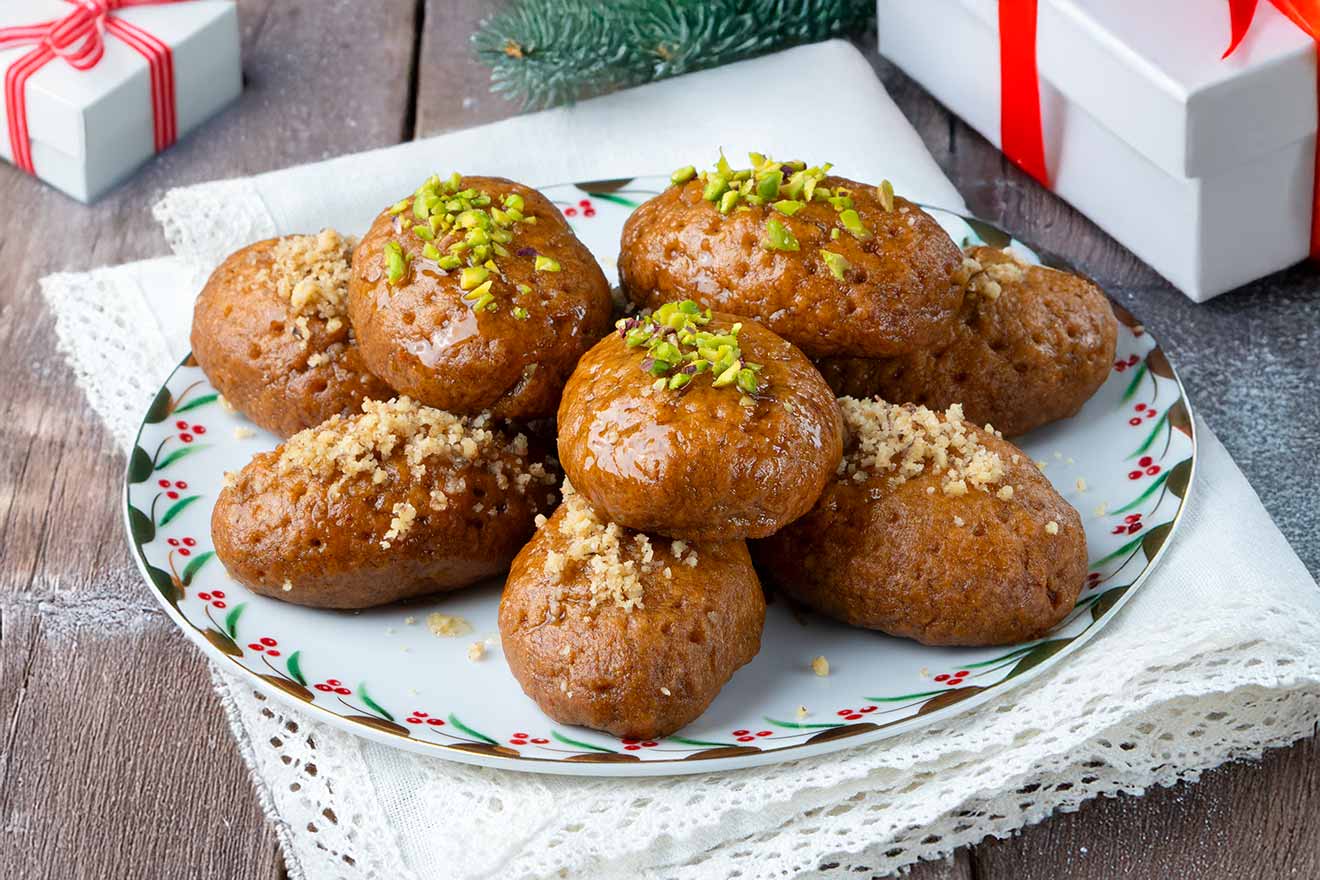
Pronounced "meh-loh-mah-KAH-roh-nah," the name itself whispers tales of antiquity. It beautifully combines "meli," the Greek word for honey, with "makaria," which refers to a blessed bread consumed in ancient religious ceremonies. This etymology hints at their deep roots and sacred significance, far beyond a simple sweet treat. Imagine sinking your teeth into a melomakarono: a symphony of flavors and textures unfolds. It's a succulent, aromatic cookie infused with the zest of fresh orange and a hint of warm cinnamon, generously drenched in a rich honey syrup, and crowned with a generous sprinkle of crunchy, crushed walnuts. They are dark, decadent, and deliciously juicy, often dripping with that golden honey – a truly sensory experience that captures the essence of a Greek Christmas.
The Heart of Greek Christmas: What Makes Melomakarona Special
While other Greek Christmas delights like the elegant, powdered sugar-dusted kourabiedes certainly have their charm, melomakarona offer a different, more rustic yet utterly sophisticated experience. Kourabiedes might be the "fancy" type, pristine in their snowy white, but melomakarona are the soulful, robust counterpart – dark, intensely flavorful, and undeniably succulent. They represent comfort, tradition, and a celebration of ingredients deeply rooted in the Greek Mediterranean diet.
At the core of every authentic melomakarono lies a harmony of simple, yet potent components. Flour forms the foundation, but it's the generous inclusion of pure olive oil, fresh orange juice and zest, and sweet honey that elevates these cookies to an art form. The addition of aromatic cinnamon and, of course, a generous topping of crushed walnuts completes this festive masterpiece. These ingredients aren't just chosen for flavor; they are emblematic of Greece's bountiful land and the wholesome principles of its traditional cuisine. The entire process, from mixing the fragrant dough to bathing the baked cookies in warm honey syrup, is a labor of love that fills the home with an intoxicating Christmas scent, creating memories that last a lifetime. For a deeper dive into why these cookies hold such a special place, explore
Why Melomakarona Reigns: Greece's Most Loved Christmas Cookie.
Beyond Sweetness: The Wholesome Side of Melomakarona
It's easy to indulge in the rich, sweet pleasure of melomakarona and simply enjoy them for their taste. However, a closer look at their traditional ingredients reveals a surprisingly wholesome profile, deeply aligned with the celebrated Mediterranean diet. Unlike many modern confections, authentic melomakarona derive their richness and flavor from sources that offer nutritional benefits alongside their deliciousness.
The most significant contributor to the healthful character of melomakarona is undoubtedly olive oil. Unlike cookies made with butter or generic vegetable oils, melomakarona proudly feature olive oil as their exclusive source of fat. Numerous studies extol the virtues of olive oil, rich in monounsaturated fats and powerful antioxidants, known for their protective effects against various chronic diseases. This means that while you're savoring the rich, moist texture, you're also benefiting from a fat source that actively supports your well-being.
Beyond olive oil, honey itself is a natural wonder. As a sweetener, it offers a complex flavor profile and contains antioxidants. Walnuts, a mandatory topping and often incorporated directly into the dough, are a powerhouse of omega-3 fatty acids, protein, and dietary fiber. Even the orange zest contributes not only a bright, zesty aroma but also a dose of Vitamin C and antioxidants. While it's true that melomakarona are a sweet treat and contain sugar, the careful balance with these nutrient-rich components means you can enjoy them with a sense of "conscious indulgence." They certainly have calories – perhaps more than a single kourabie – but with every bite, you're embracing the goodness of authentic, natural ingredients.
Furthermore, melomakarona hold a special place for many Greeks due to their dietary suitability. They are traditionally dairy-free and egg-free, making them naturally *vegan-friendly* (depending on one's personal view on honey). This makes them a perfect confection for periods of Orthodox Lent, when adherents abstain from animal products. It's a beautiful example of how traditional Greek cuisine thoughtfully caters to both festive indulgence and spiritual practice. For more insights into their wholesome aspects, discover
Melomakarona: Greece's Healthy Olive Oil & Honey Christmas Cookies.
Crafting Authentic Melomakarona: Tips for Home Bakers
Creating melomakarona at home is a rewarding experience, transforming your kitchen into a Greek Christmas haven. While recipes can vary slightly from family to family – often passed down through generations – the core principles of authenticity remain steadfast.
*
Embrace Quality Olive Oil: This is non-negotiable for true melomakarona. Avoid any "traditional" recipes that suggest corn oil, sunflower oil, or other generic vegetable oils. These oils fundamentally alter the flavor profile and nutritional integrity of the cookie, moving away from what makes melomakarona uniquely Greek and healthy. Use a good quality extra virgin olive oil for the best results.
*
Don't Skimp on Honey: The honey syrup is the soul of the melomakarono. Use pure, good-quality honey for the syrup. The process involves soaking the baked cookies in the warm syrup, allowing them to absorb the sweetness and moisture, which is key to their juicy texture. Some recipes recommend dipping hot cookies into cold syrup, or vice-versa, to ensure maximum absorption without them falling apart.
*
Walnuts Inside and Out: For an unparalleled texture and depth of flavor, incorporate finely crushed walnuts not only as a generous topping but also directly into the cookie dough. This adds a delightful crunch and nutty aroma throughout the cookie.
*
Aromatic Boost: Don't underestimate the power of fresh orange zest and juice, along with ground cinnamon. These ingredients infuse the dough with their signature Christmas aroma and taste.
*
Gentle Dough Handling: While the dough is relatively forgiving, overworking it can lead to tough cookies. Mix until just combined.
*
Shaping for Success: Traditionally, melomakarona are shaped into an oval, often with a slight indentation or pricked with a fork to help absorb the syrup.
*
Patience with the Syrup: Allow the cookies ample time to soak in the honey syrup. This step is crucial for achieving their signature succulence.
Many Greek households have their own cherished, fail-proof melomakarona recipes, perfected over decades. These recipes often become a cornerstone of family Christmas traditions, symbolizing warmth, love, and continuity.
Melomakarona vs. Finikia: A Subtle Distinction
For those exploring Greek sweets, the terms "melomakarona" and "finikia" are sometimes used interchangeably, leading to understandable confusion. While very similar in their core essence – honey-drenched, walnut-topped cookies – there are distinct differences that traditionally set them apart.
Melomakarona, as discussed, are characterized by their simple, olive oil-based dough, infused with orange and cinnamon, then baked and generously soaked in honey syrup. They are all about that juicy, honey-drenched core.
Finikia, on the other hand, often introduce semolina into the dough, which can give them a slightly different texture – sometimes a bit denser or grainier. Historically, finikia might also be fried rather than baked, offering a richer, almost doughnut-like quality. Furthermore, some variations of finikia are even stuffed with nuts or dried fruits before being syruped. While the overarching flavor profile of honey, nuts, and spice remains, these subtle structural and preparation differences define their individual identities within the realm of Greek holiday sweets. Both are delicious, but melomakarona remain the quintessential Greek Christmas honey cookie.
A Taste of Greek Christmas Tradition
Authentic melomakarona are more than just a sweet treat; they are a direct link to the heart of Greek Christmas, a culinary tradition steeped in history, flavor, and wholesome ingredients. From their ancient name to their modern-day preparation in countless Greek kitchens, these juicy, honey-drenched, walnut-topped cookies encapsulate the spirit of the holidays. They offer a unique blend of indulgence and natural goodness, making them a conscious pleasure during a season of feasting. So, whether you embark on the rewarding journey of baking them yourself or seek them out from an authentic Greek bakery, experiencing melomakarona is to truly taste a piece of Greece's vibrant and delicious Christmas tradition. Enjoy them with a strong Greek coffee, surrounded by loved ones, and savor the sweetness of the season.